VinylPlus is the European PVC industry’s commitment to sustainable development, working to improve the sustainability performance of polyvinyl chloride (PVC or vinyl) in pipe systems and the many other critical applications where the polymer is used.
VinylPlus unites PVC resin and additive producers, converters and recyclers, and covers the EU-27 plus Norway, Switzerland and the UK.
VinylPlus in Overview

A Value Chain Committed to Sustainable Development
Taking a value chain approach, VinylPlus has achieved significant progress during the last 25 years. The achievements cover vinyl through its entire life cycle – from production over use to end-of-life:
Reducing Emissions and Energy Use
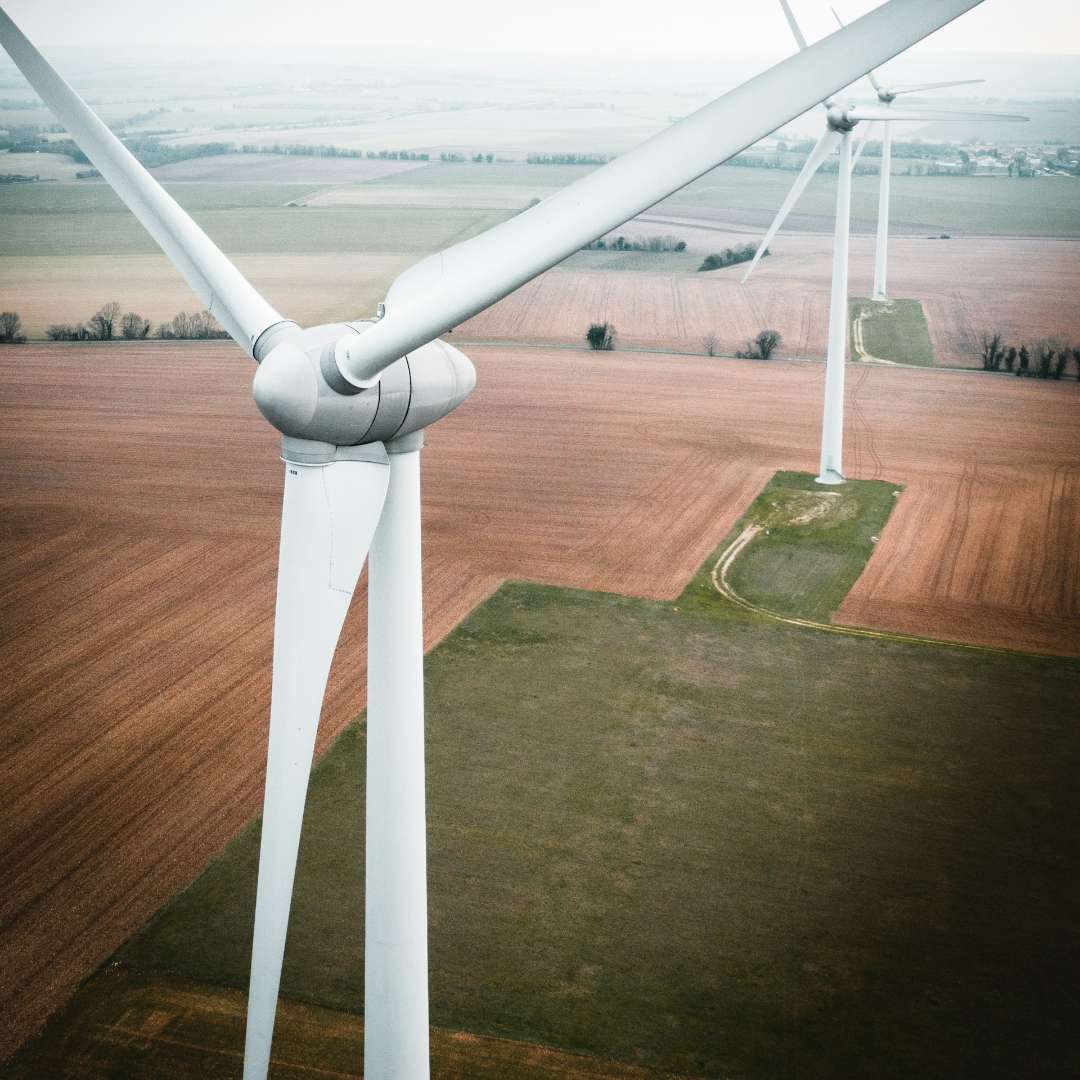
The Commitment has led to a reduction in emissions of greenhouse gases and other substances within the vinyl industry. This includes a decrease in energy consumption and an increase in the use of renewable energy sources.
In parallel, European PVC resin producers have strengthened workplace safety by minimising worker exposure to emissions to levels below the world’s most stringent regulatory standards.
Substituting Unwanted Substances
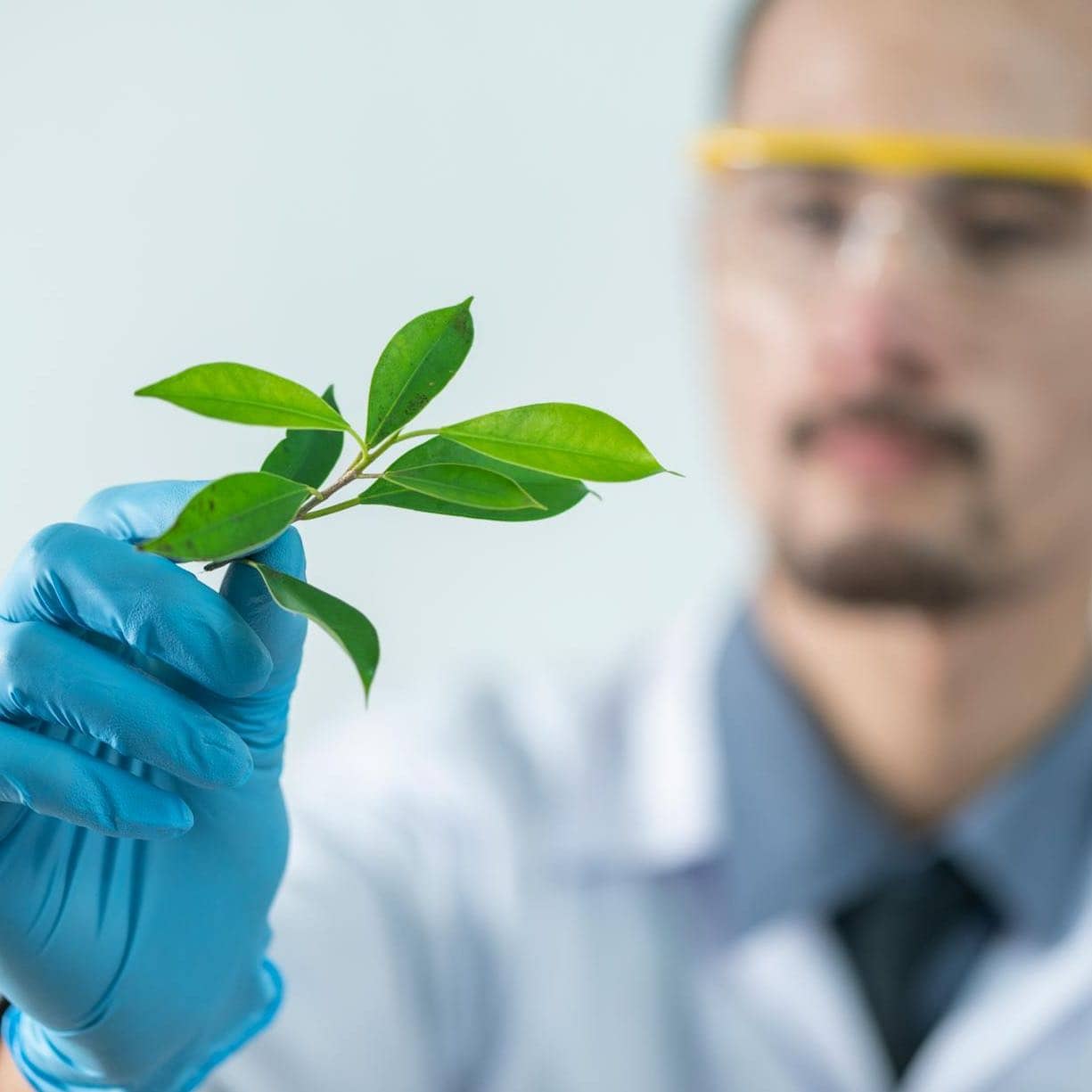
The European PVC industry has successfully substituted unwanted substances such as lead-based stabilisers ahead of regulation and developed the Additive Sustainability Footprint® methodology with third parties to assess the sustainability of additives used in PVC products.
Investing in Collection and Recycling
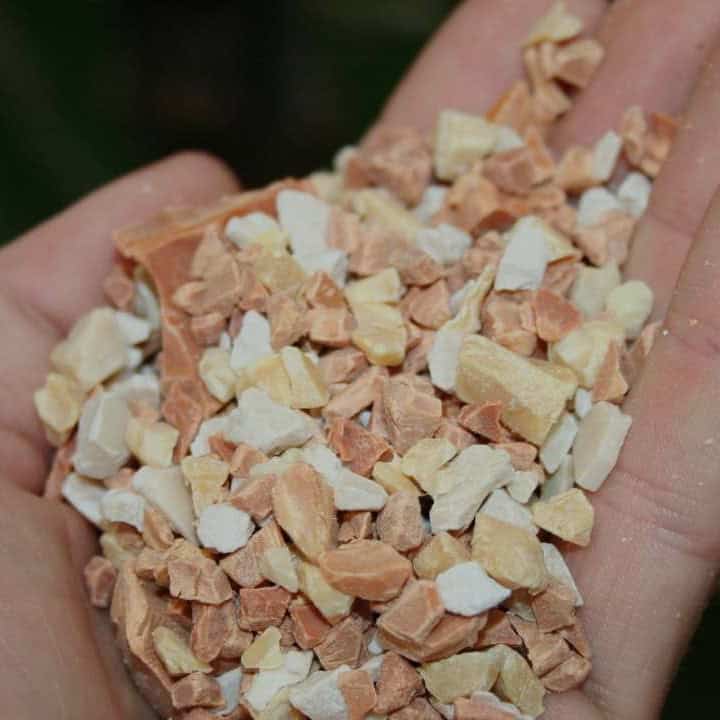
One of VinylPlus’ key achievements has been the significant increase in PVC recycling, including pipes.
Since 2000, around 950,000 tonnes of PVC pipes have been recycled in Europe. In total, 10.3 million tonnes of PVC have been recycled, saving approximately 20.6 million tonnes of CO₂. Peer-reviewed data show carbon savings of up to 90% when recycled PVC is used in new pipes.
VinylPlus also organises and co-funds research on advanced sorting and recycling technologies.
Transparent Governance Across the Value Chain
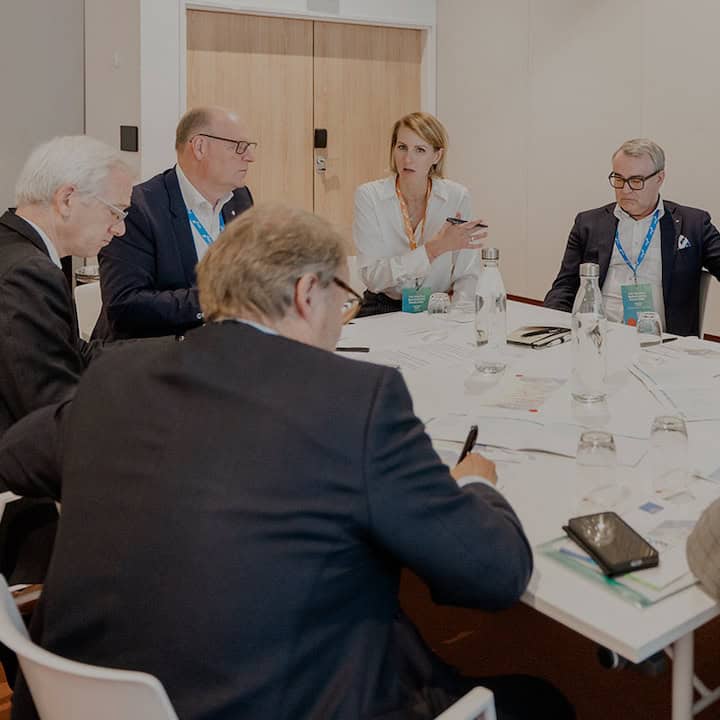
VinylPlus has established a robust and transparent monitoring system to track progress on its commitments. Oversight is provided by a Monitoring Committee comprising representatives from the European Commission, the European Parliament, consumer organisations, civil society, and academia.
In addition, VinylPlus has supported the development of sustainability certification schemes, such as the VinylPlus® Product Label and VinylPlus® Supplier Certificates, which help consumers and businesses identify environmentally responsible vinyl products.
Advancing Sustainable Vinyl Worldwide
While rooted in Europe, VinylPlus engages with international organisations to promote sustainable vinyl solutions globally.
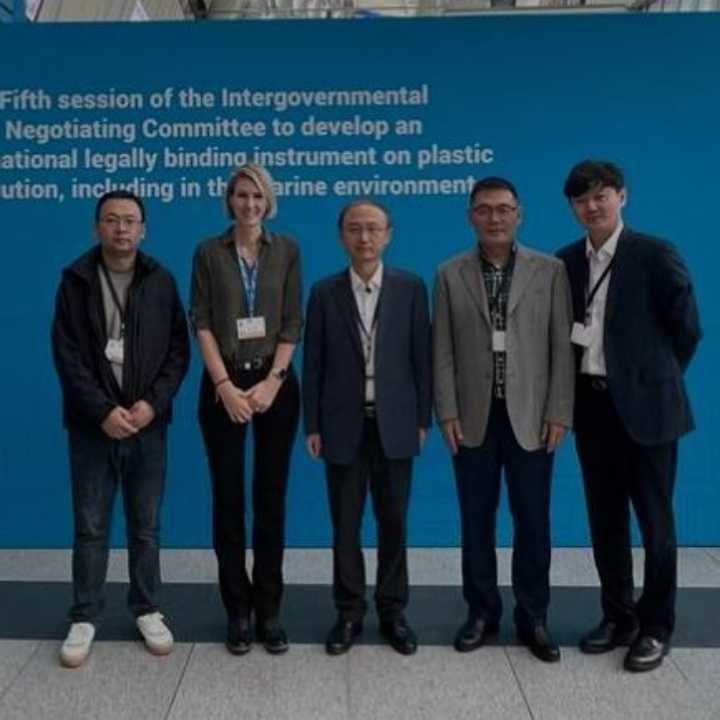
Through participation in the Global Vinyl Council and the UN Global Plastics Treaty negotiations, VinylPlus advocates for a practical and effective global framework that builds on Europe’s leadership in circularity and responsible material management.
Driving Technical Excellence in Pipe Systems
VinylPlus and its partners support scientific research, standardisation work and long-term performance testing to ensure PVC pipe systems meet evolving infrastructure and regulatory requirements.
This includes validation of 100-year design lifetimes, research supporting hydrogen readiness, compliance with the EU Drinking Water Directive, and fire performance.
The VinylPlus 2030 Commitment
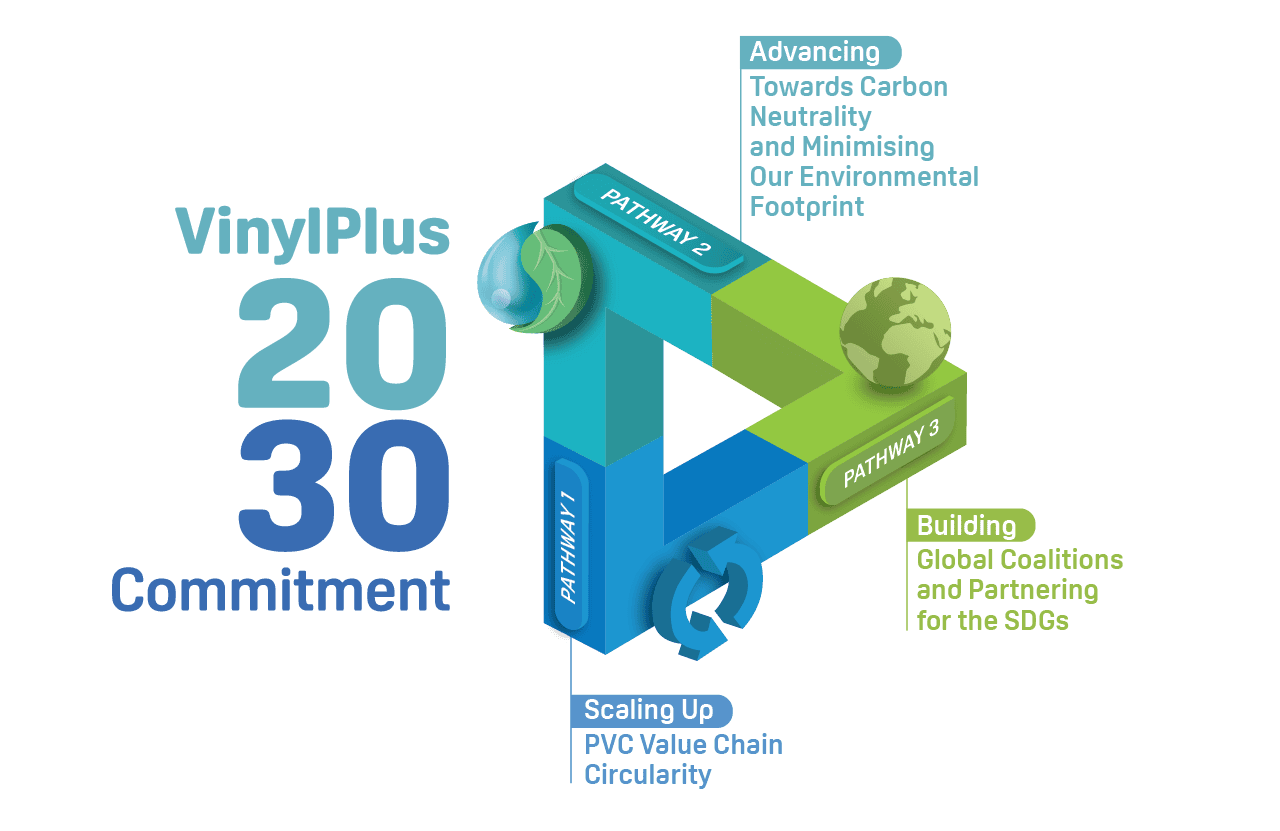
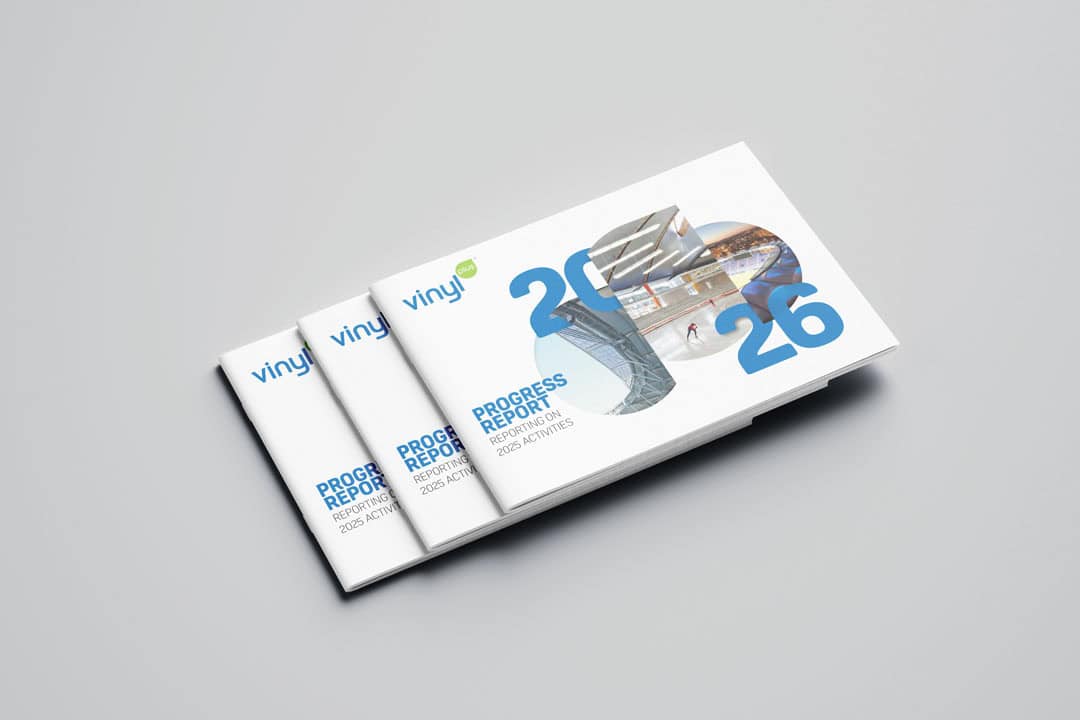
VinylPlus 2030 is the European PVC industry’s commitment to sustainable development towards 2030. It brings together the PVC value chain across the EU-27, Norway, Switzerland and the UK to scale up circularity, reduce environmental impacts, strengthen transparency and support a resilient European industry.
Following a mid-term review in 2025, the Commitment has been revised to strengthen its focus on measurable progress, practical implementation, policy coherence and value chain collaboration. The revised Commitment was officially launched at the VinylPlus Sustainability Forum 2026.
For PVC pipe systems, the Commitment supports circular product design, responsible sourcing, carbon reduction, recycling technologies, and transparent governance.
The Commitment is structured around three Pathways:
Pathway 1: Scaling up PVC Value Chain Circularity
Supporting PVC recycling, improved collection schemes, advanced sorting, ecodesign and complementary recycling technologies for waste streams that is difficult to recycle mechanically.
Pathway 2: Advancing Towards Carbon Neutrality and Minimising Our Environmental Footprint
Reducing environmental impacts through product-specific carbon footprint reporting, life-cycle assessment data, sustainable use of additives and updated production standards.
Pathway 3: Building Global Coalitions and Partnering for the SDGs
Strengthening transparency, certification, traceability, stakeholder engagement and international cooperation.