
VinylPlus Pipes supports circular solutions for long-life PVC pipe systems across Europe. PVC pipes can be mechanically recycled multiple times without loss of functional properties and are already part of established European collection and recycling schemes.
Since 2000, around 940,000 tonnes of PVC pipes have been recycled in Europe. New pipes can contain up to 70% recycled PVC, and peer-reviewed data shows up to 90% CO₂ savings when using recycled PVC instead of virgin material.
The Circular Value Chain for PVC Pipes
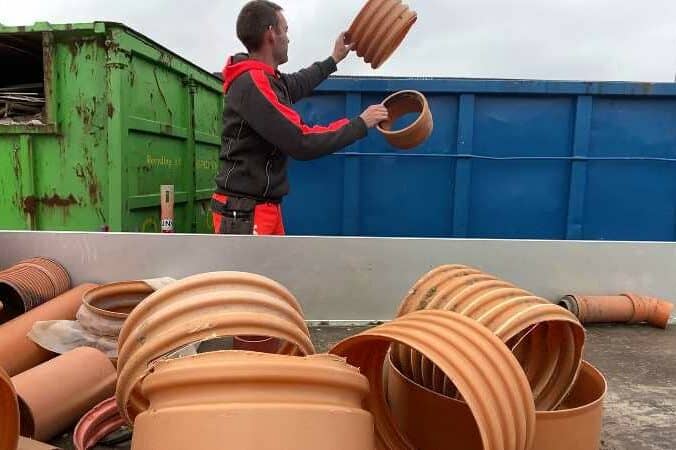
The PVC pipe value chain is integrated into the VinylPlus® framework and works to increase recycling of end-of-life PVC pipes across the EU. Collection schemes and recycling activities are supported through TEPPFA and Recovinyl®, helping strengthen collection, traceability and high-quality outputs.
According to the latest Recovinyl Traceability Study, PVC pipes represent 11% of PVC recyclate uptake in Europe, making pipes the fourth largest application area for recycled PVC after windows and profiles, floor covering, and traffic management.
Collection of end-of-life pipes
Sorting and quality control
Recycling into new material
Use in new pipe systems
Proven Mechanical Recyclability
PVC is an easily recyclable plastic, and PVC pipes are no exception. Multiple studies show that rigid PVC products (including pipes) can be mechanically recycled 8 to 10 times while maintaining key technical performance. In practical terms, this is enabled by robust quality control and appropriate processing conditions.
A core reason is that the recycling process does not measurably reduce the chain length of PVC molecules under normal, well-controlled reprocessing conditions—meaning performance can be retained across several loops.
Documentation:
- Fumire, J., & Tan, S. R. (2012). How much recycled PVC in PVC pipes? Plastic Pipes Conference XVI, Barcelona.
- Leadbitter, J., & Bradley, J. (1997). Closed Loop Recycling Opportunities for PVC. IPTME Symposium, Loughborough University, 3–4 November 1997.
- Frank, A., Messiha, M., et al. (2021). Slow Crack Growth Resistance of reprocessed PVC. Plastic Pipes Conference PPXX, Amsterdam.
- Yarahmadi, N., Jakubowicz, I., & Gevert, T. (2001). Effects of repeated extrusion on the properties and durability of rigid PVC scrap. Polymer Degradation and Stability, 73, 93–99.
Understanding Mechanical versus Advanced Recycling
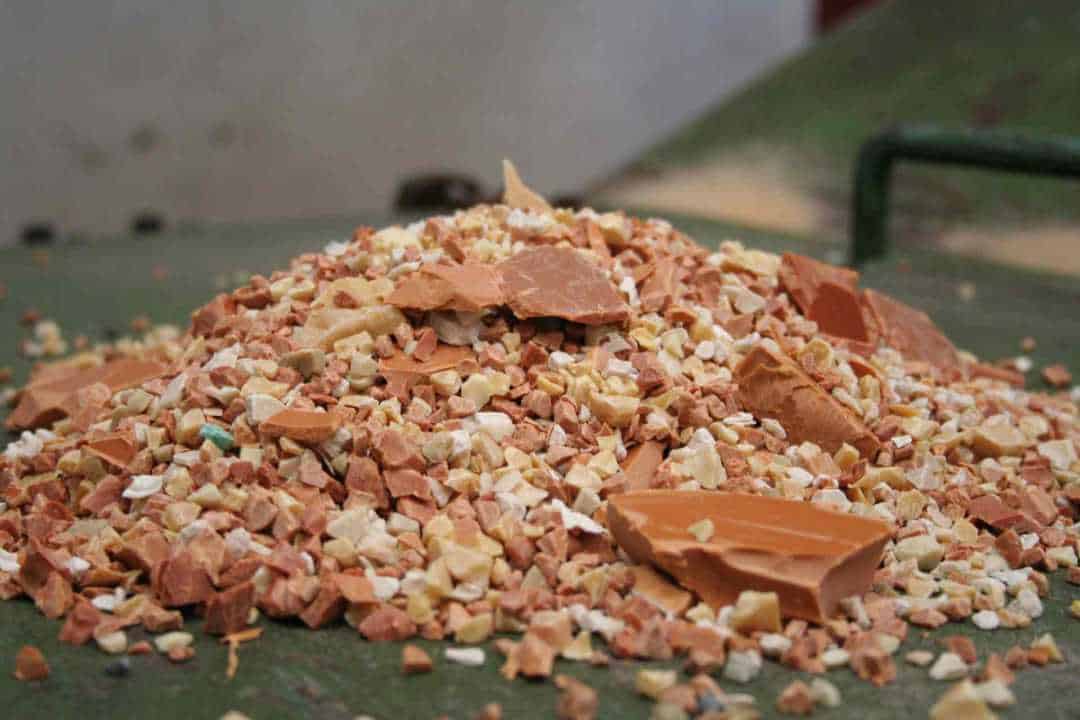
Mechanical Recycling
Mechanical recycling involves collection, sorting, and reprocessing of PVC pipes into new materials without changing the polymer’s chemical structure. It is the most resource-efficient route for clean, well-identified PVC streams and supports high-quality recyclate for new products.
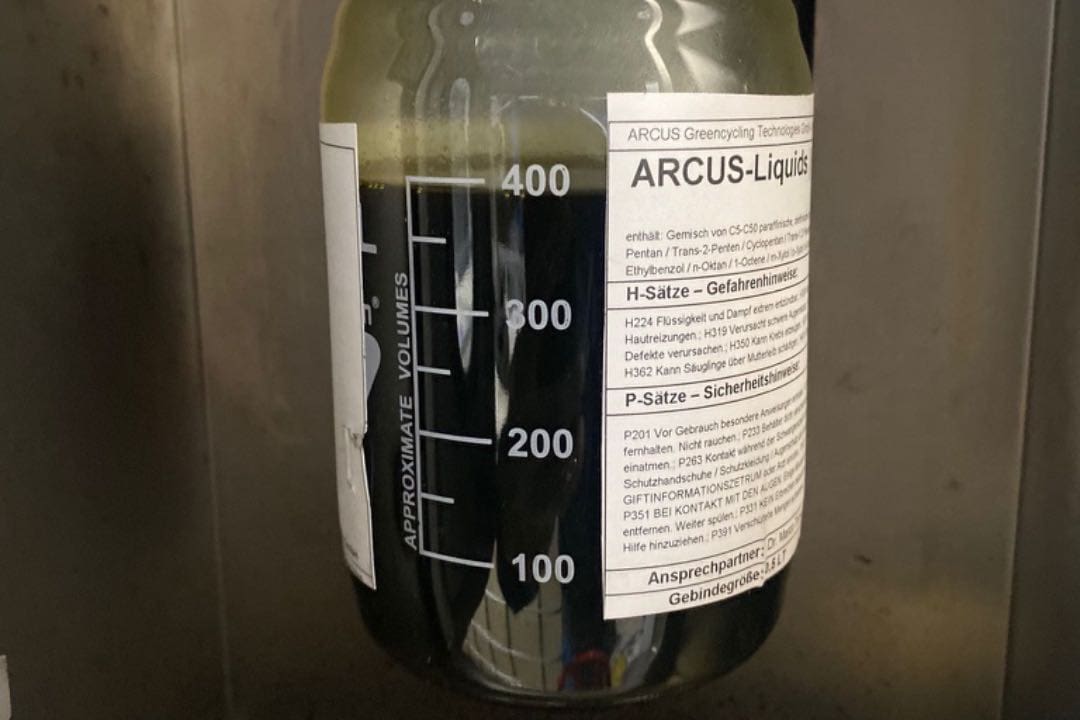
Advanced Recycling
In addition to mechanical recycling, PVC can also be processed through advanced recycling. Technologies such as dissolution (physical recycling) and chemical recycling such as pyrolysis and gasification can complement mechanical recycling by recovering PVC from complex waste streams and removing legacy additives.
Cost-Benefit Analyses Support Mechanical Recycling
Recycling contributes to European jobs and to resource, energy and carbon savings. Cost-benefit analyses (CBA) show that, when suitable collection and recycling routes are in place, mechanical recycling can deliver significant cost benefits compared with incineration or landfilling—supporting both environmental and economic objectives.
Recycled PVC With Lead: Compliance and Responsible Use
In May 2023, the European Commission adopted a regulation restricting lead in PVC products. It sets a maximum lead content of 0.1% for PVC products placed on the European market, including imports.
European PVC pipe producers have a long track record of reducing lead use in formulations, with a shift over time to alternatives such as calcium zinc- or calcium organic-based stabilisers.
10-Year Derogation for Pipes
The regulation includes a 10-year derogation allowing recycled rigid PVC containing lead to be used in the middle layer of multilayer PVC pipes, excluding pipes for drinking water. These products may contain up to 1.5% lead, must be clearly marked, and the recycled material source must be third-party certified.
Closed-Loop Recycling Obligation for Profiles and Sheets From May 2026
The regulation also introduces a closed-loop recycling obligation for lead-containing rigid PVC recyclate derived from profiles and sheets. After the transition period ending in May 2026, manufacturers will no longer be permitted to use lead-containing recyclate from profiles and sheets in the production of multilayer PVC pipes.