
PVC pipe systems have been used in infrastructure for decades, yet innovation continues to enhance their performance, sustainability and circularity. Advances in materials, manufacturing technologies and engineering across the European PVC value chain are expanding the capabilities of PVC pipes for modern water, energy and building systems.
These developments support longer service life, improved installation efficiency and a more circular use of materials in infrastructure applications. The examples below highlight some of the key areas where innovation is shaping the next generation of PVC pipe systems.
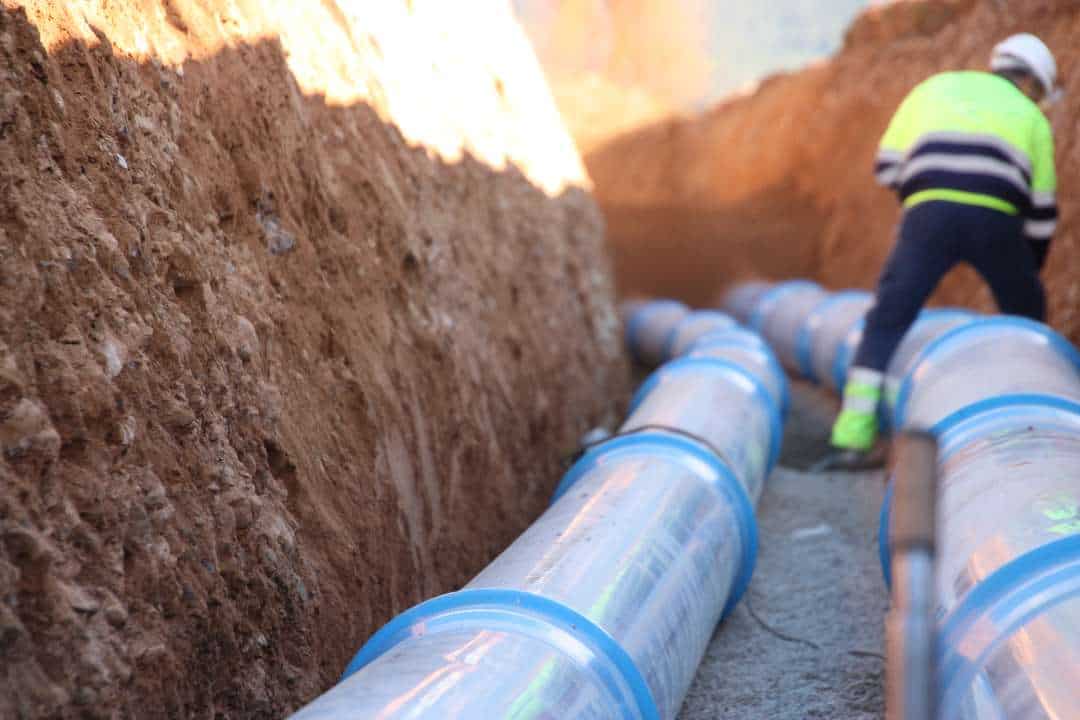
Advanced Pipe Materials
Material innovation continues to expand the performance of PVC pipe systems.
Examples include:
PVC-O (Oriented PVC)
Molecular orientation technology increases strength and impact resistance while reducing the amount of material required. PVC-O pipes combine high hydraulic performance with improved resource efficiency.
PVC-M (Modified PVC)
PVC-M grades are designed to improve ductility and resistance to crack propagation. These materials enhance toughness while maintaining the corrosion resistance and durability of PVC.
Optimised PVC-U formulations
Continuous improvements in stabilisers, additives and processing technologies support durability, installation performance and long-term reliability.
100+ Year Design Lifetime
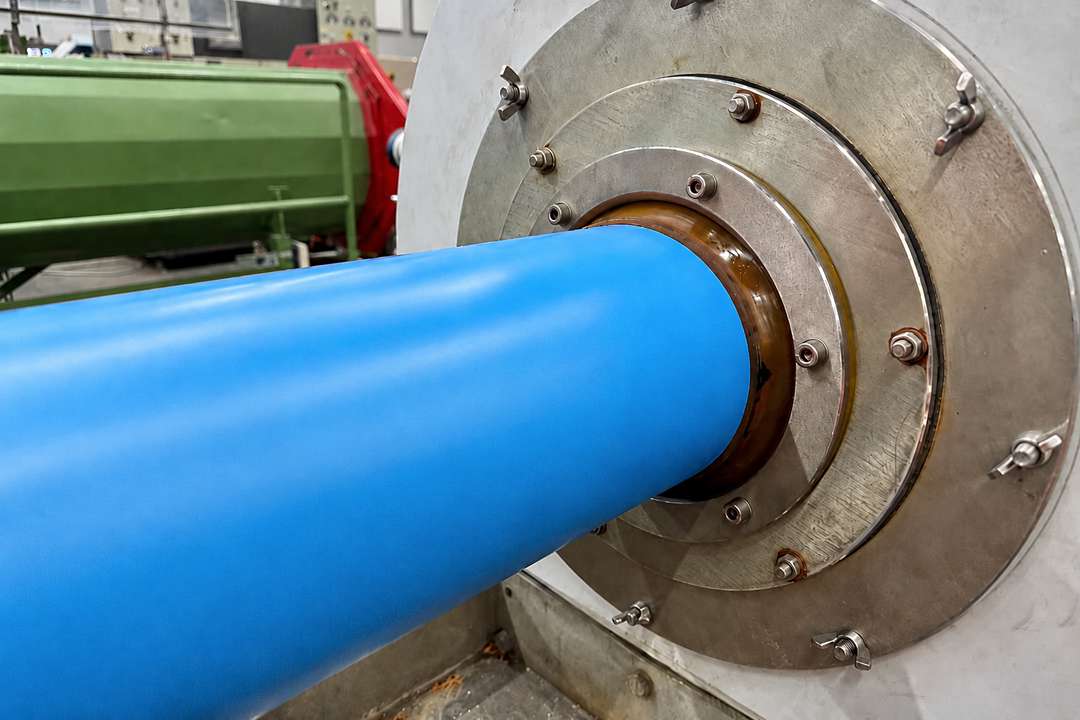
Advances in PVC pipe manufacturing continue to strengthen long-term performance.
Improvements in extrusion technology and process control help ensure optimal polymer gelation during production, which is closely linked to long-term pressure resistance.
Research commissioned by VinylPlus Pipes shows that appropriate gelation levels achieved during extrusion support reliable strength predictions over 50- and 100-year time horizons.
These developments contribute to ongoing technical work confirming design lifetimes exceeding 100 years for PVC pipe systems under normal operating conditions.
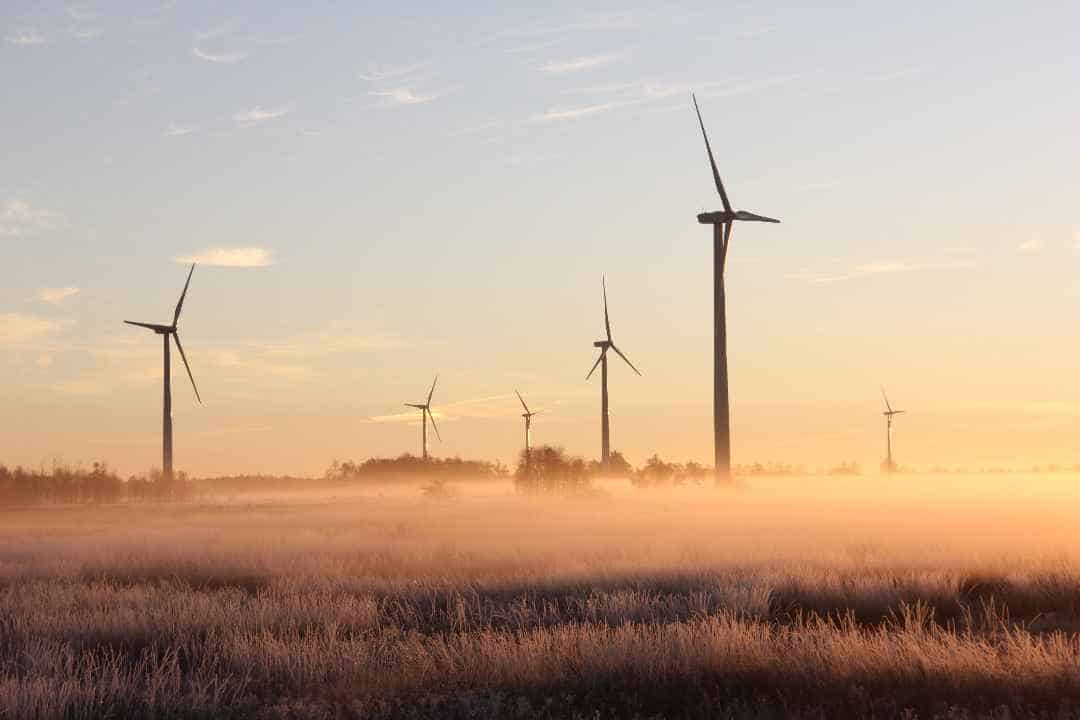
Ready for the Hydrogen Economy
Research and testing programmes are exploring the compatibility of PVC pipes with hydrogen distribution networks.
Studies indicate that both new and existing PVC pipes can be suitable for transporting hydrogen under certain conditions, offering a potential pathway for integrating hydrogen into future energy infrastructure.
PVC pipe systems already play a key role in protecting power and communication cables, supporting the development of renewable energy and electrification.
No-Dig Pipeline Renovation
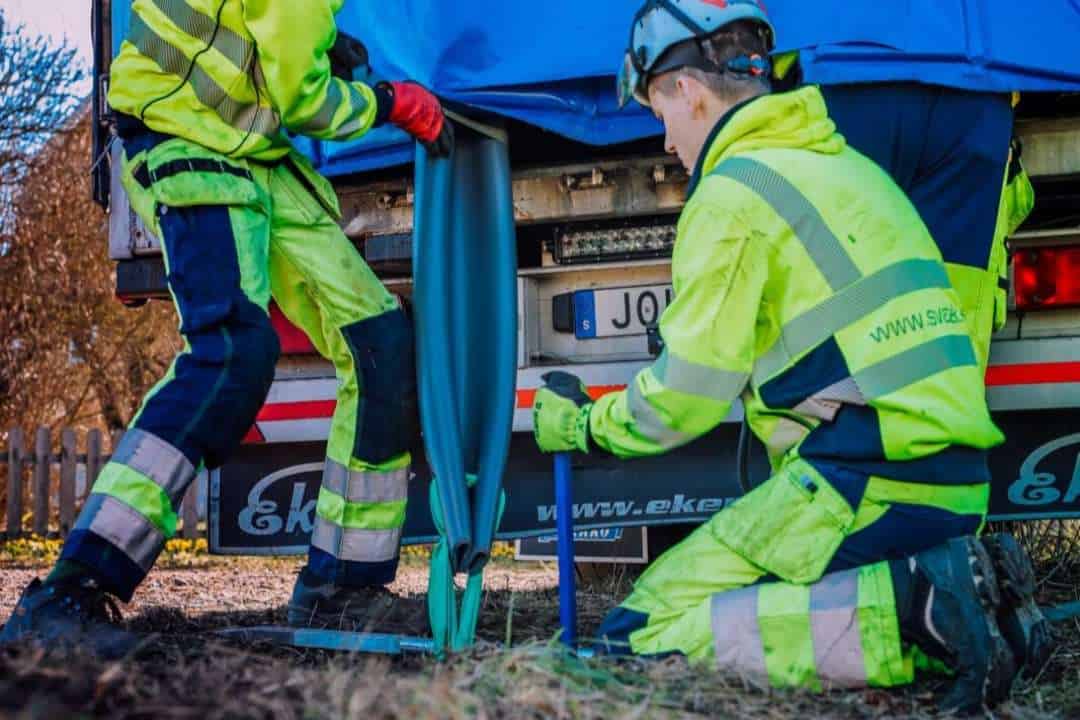
PVC pipe technologies support modern no-dig infrastructure renewal, reducing the need for large-scale excavation when replacing ageing pipelines.
Techniques such as close-fit lining and sliplining with PVC pipes allow existing networks to be rehabilitated quickly and efficiently while minimising disruption to roads, buildings and communities.
These solutions extend the life of water and sewer systems while reducing construction impacts and resource use.
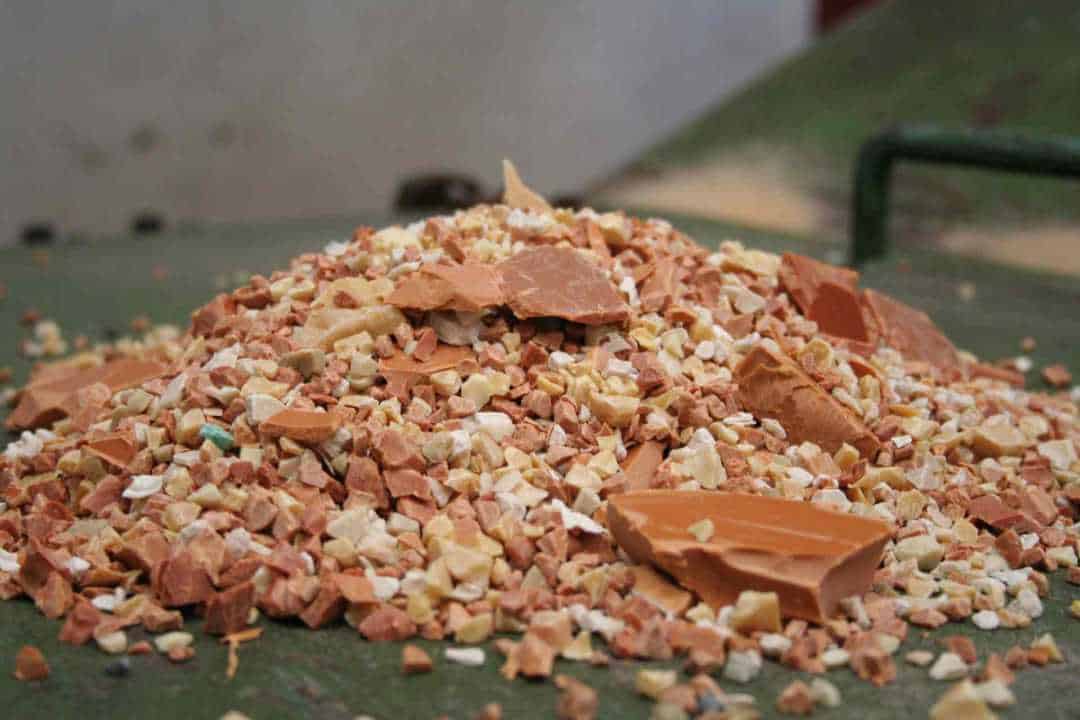
Advanced Recycling Technologies
Innovation is also focused on supporting the circular use of PVC materials.
Developments include:
- multilayer pipe systems that incorporate recycled PVC
- improved sorting and recycling technologies for construction PVC waste
Peer-reviewed datasets show that using recycled PVC instead of virgin material can reduce CO₂ emissions by up to 90%.