
VinylPlus Pipes supports evidence-based decisions for long-life PVC pipe systems across Europe. When assessed using recognised life cycle methods, PVC pipes typically show a competitive environmental footprint compared with many alternative materials used in infrastructure.
This performance is linked to efficient material use, low weight, long service life and the possibility to incorporate recycled PVC in new pipe systems. Together, these factors contribute to lower impacts across the full life cycle of a pipe system.
What Environmental Footprint Means
Environmental footprint refers to the impacts of a product across its entire life cycle, from raw material production to end-of-life management.
For pipe systems this typically includes:
- Raw material extraction and production
- Manufacturing of pipes and fittings
- Transport and installation
- Use phase over many decades
- End-of-life treatment such as recycling or energy recovery
Life Cycle Assessment (LCA) is the internationally recognised methodology used to evaluate these impacts.
To ensure fair comparisons between materials, LCAs must apply the same functional unit, system boundaries and lifetime assumptions.
Life Cycle Drivers of PVC Pipe Performance
Several practical characteristics influence the environmental footprint of PVC pipe systems:

Material Efficiency

Low Weight

Long Service Life
Corrosion Resistance
Documentation for Infrastructure Projects
Environmental performance in construction projects is increasingly documented through Environmental Product Declarations (EPDs).
EPDs provide standardised environmental data based on Life Cycle Assessment and are widely used by engineers, consultants and public authorities when comparing infrastructure materials.
For PVC pipe systems, EPDs and industry datasets support transparent reporting and help ensure that environmental claims are based on recognised methodologies.
Recycled PVC and Climate Performance
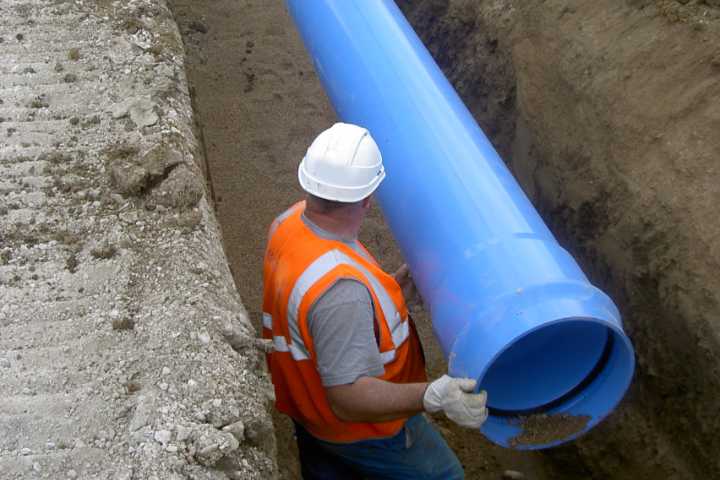
The use of recycled PVC in new pipe systems can further improve environmental performance.
Peer-reviewed datasets show that recycled PVC can deliver up to around 90% lower CO₂ emissions compared with virgin PVC, depending on the recycling route and system boundaries.
This means that circular use of PVC materials contributes not only to resource efficiency but also to reduced climate impacts.
For more information about how PVC pipes are collected and recycled across Europe, see the Circular Economy section.
Bio-Attributed and Bio-Circular PVC
In addition to recycled PVC, pipe systems can also be produced using bio-attributed or bio-circular PVC. In this approach, renewable or circular carbon feedstocks are used in the production of ethylene and allocated to PVC through recognised mass balance systems.
Bio-attributed and bio-circular PVC are chemically identical to conventional PVC and therefore maintain the same performance, durability and recyclability required for long-life infrastructure applications such as pipe systems.
By partially replacing fossil feedstocks with renewable or circular carbon sources, these materials can contribute to further reductions in the carbon footprint of PVC pipe systems while remaining fully compatible with existing manufacturing and recycling processes.
Recent infrastructure projects in Europe have demonstrated the use of bio-attributed or bio-circular PVC pipes in water and sewer networks, showing how renewable and circular feedstocks can be integrated into established pipe production and installation practices.
Environmental Performance in Long-Life Infrastructure
PVC pipes are typically used in infrastructure systems designed to operate for many decades. In this context, environmental footprint should always be assessed over the full service life of the system, rather than only at the material production stage.
Considering installation, durability, maintenance requirements and end-of-life options provides a more complete picture of environmental performance.
VinylPlus Pipes supports transparent, science-based communication on these topics and promotes the use of verified life cycle data to inform policy, procurement and engineering decisions.
Eco-profiles and Environmental Product Declarations for PVC
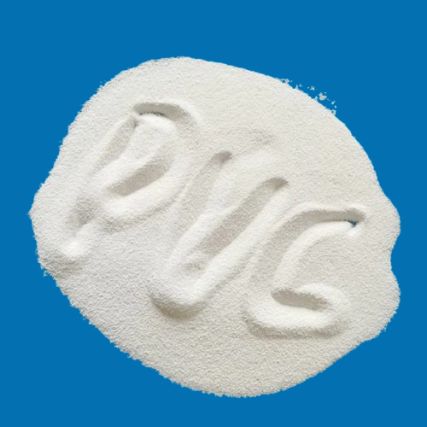
Environmental Product Declarations (EPDs) for PVC resin are based on Life Cycle Inventory (LCI) data from the Plastics Europe Eco-profile programme. These datasets represent the average European industrial production of vinyl chloride monomer (VCM) and polyvinyl chloride (PVC) from cradle to gate.
The Eco-profile and EPD datasets for VCM and PVC were fully updated in 2022 and revised in 2026, providing an up-to-date basis for Life Cycle Assessment (LCA), Environmental Product Declarations and environmental footprint calculations used in infrastructure projects.
These datasets support transparent, standardised reporting and are widely used by manufacturers, consultants and EPD programme operators when documenting the environmental performance of PVC-based products.
Continuous Improvements in Chlorine Production
A significant share of PVC’s environmental profile is linked to chlorine production. Over the past decade, the environmental performance of chlorine production in Europe has improved substantially.
Two key developments have contributed to this progress:
- The transition across Europe to membrane electrolysis technology, replacing older production methods
- Changes in national energy mixes, including a growing share of lower-carbon electricity
According to the latest European chlorine eco-profile, the Global Warming Potential of chlorine production decreased by around 22% between 2011 and 2020.
Because PVC consists of approximately 57% chlorine derived from common salt, improvements in chlorine production directly reduce the environmental footprint of PVC materials.
Lower Reliance on Fossil Feedstock
Another structural feature of PVC is its lower dependence on fossil feedstock compared with many other common plastics.
More than half of the mass of PVC originates from salt (sodium chloride), while the remaining fraction is derived from hydrocarbons. As a result:
- PVC requires significantly less fossil feedstock energy than polymers primarily derived from oil or gas such as polyethylene (LDPE, HDPE) and polypropylene (PP).
- When both process energy and feedstock energy are considered, suspension PVC typically requires around 60 MJ/kg, which is lower than the corresponding values for several other major plastics.
In addition, the use of bio-attributed and bio-circular feedstocks in PVC production can further reduce reliance on fossil carbon while maintaining identical material performance and recyclability.
This combination of salt-based chemistry, renewable or circular carbon sources, and ongoing industrial improvements contributes to the overall environmental profile of PVC materials used in long-life applications such as pipe systems.
Continuous Improvement Across the Value Chain
The European PVC industry continues to improve the environmental performance of production processes through energy efficiency, technological upgrades and circular material use.
Within the VinylPlus framework, these improvements are supported by transparent data reporting and regular updates of industry datasets used in LCA and EPD systems.
Together, these efforts help ensure that environmental assessments of PVC products reflect current industrial practice and ongoing progress across the value chain.