
PVC pipe systems are long-life infrastructure materials widely used in water supply, sewerage, energy distribution and buildings. Their service life can exceed 100 years, meaning that waste volumes arise only gradually when infrastructure networks are renovated or replaced.
Unlike short-life plastic products, PVC pipes remain in service for many decades. When they eventually reach end of life, the material can be recovered, recycled or, where necessary, treated in modern waste-to-energy facilities.
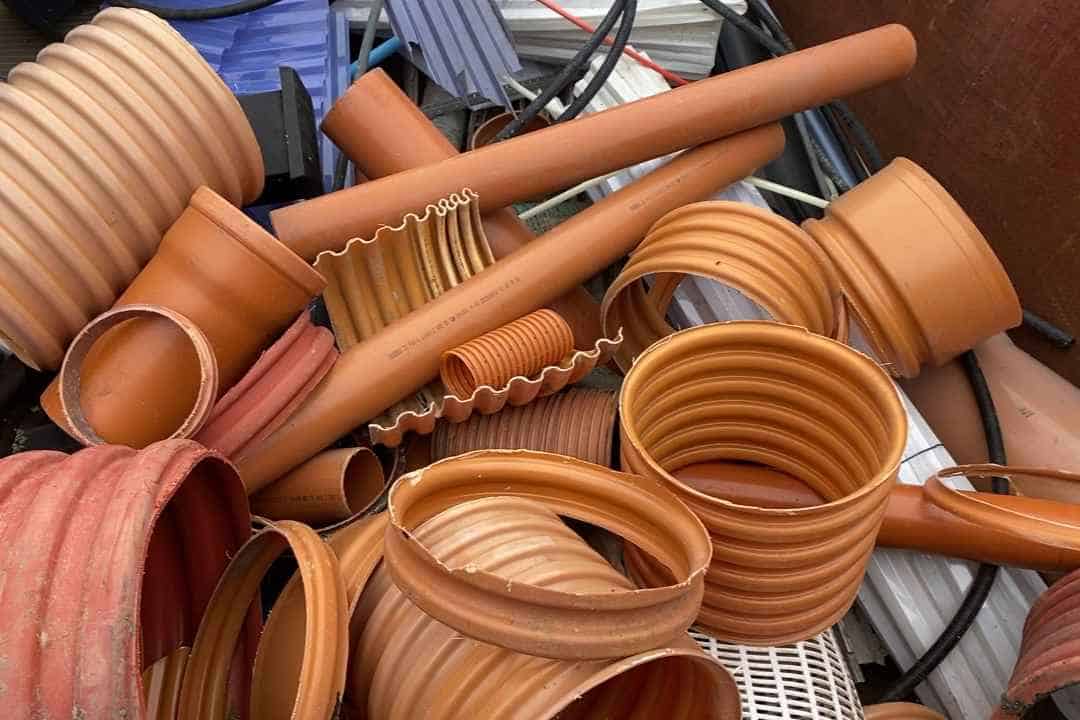
Recycling of PVC Pipes
Rigid PVC from pipes is well suited for mechanical recycling because pipe materials are typically homogeneous and easy to identify within construction and demolition waste streams.
Recovered pipes can be:
- collected and sorted
- cleaned and shredded
- processed into recycled PVC material, used in new pipes and other PVC products
Mechanical recycling preserves the polymer structure and requires significantly less energy than producing virgin PVC. Peer-reviewed datasets show that using recycled PVC instead of virgin PVC can reduce CO₂ emissions by up to 90%.
Construction and Demolition Waste Streams
PVC pipe waste mainly arises from:
- Renovation of water and sewer networks
- Building demolition
- Construction off-cuts during installation
Because PVC pipes are durable and chemically stable, materials removed from infrastructure systems can often be processed for recycling even after long service periods.
Across Europe, the PVC value chain has developed collection and recycling initiatives for rigid PVC construction materials, supporting the circular use of PVC in long-life applications.
Complementary Recycling Technologies
In addition to mechanical recycling, advanced recycling technologies are being developed to recover PVC from more complex waste streams.
These technologies include:
- Dissolution processes that separate PVC from other materials and extract legacy additives.
- Chemical recycling methods that recover feedstock components.
Such technologies may complement mechanical recycling and expand the range of PVC waste streams that can be recovered in the future.
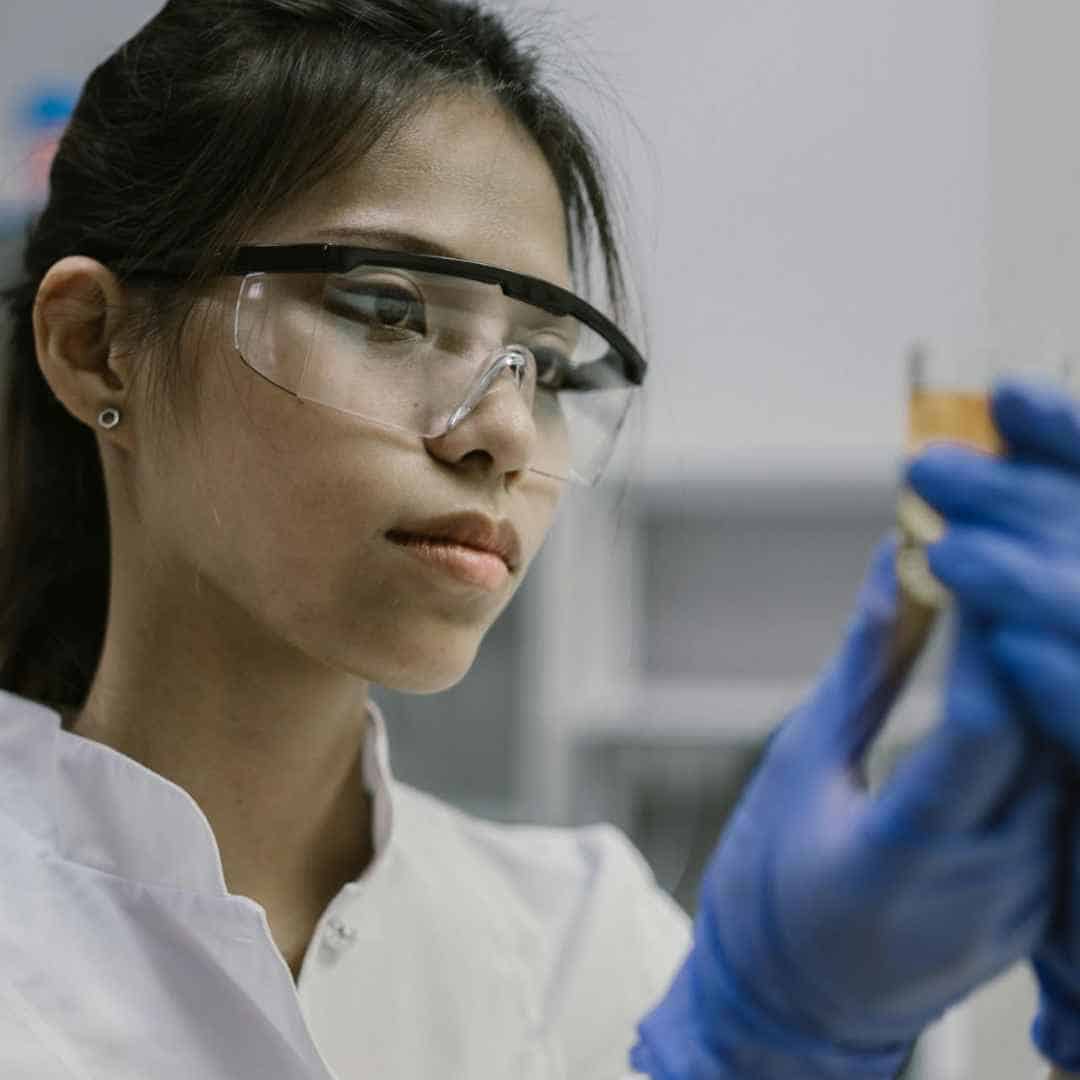
Waste-to-Energy for Non-Recyclable PVC
Where recycling is not technically or economically feasible, PVC waste can be treated in modern waste-to-energy facilities operating under strict environmental regulations.
European waste incineration plants operate under the Industrial Emissions Directive, which sets stringent limits on emissions and requires advanced flue gas cleaning systems.
The European Chemicals Agency (ECHA) has confirmed that the formation of dioxins and furans depends primarily on combustion conditions and flue gas treatment rather than the chlorine content of waste streams. Removing PVC from mixed waste would therefore not significantly reduce these emissions.