
Polyvinyl chloride (PVC or vinyl) is widely used across Europe for soil and waste systems in residential, commercial and public buildings. These systems include pipes, traps and drainage fittings that ensure safe and reliable wastewater removal.
PVC’s corrosion resistance, leak-tight joints and long service life support durable indoor drainage infrastructure. Lightweight components and simple jointing systems facilitate efficient installation in both new construction and renovation projects.
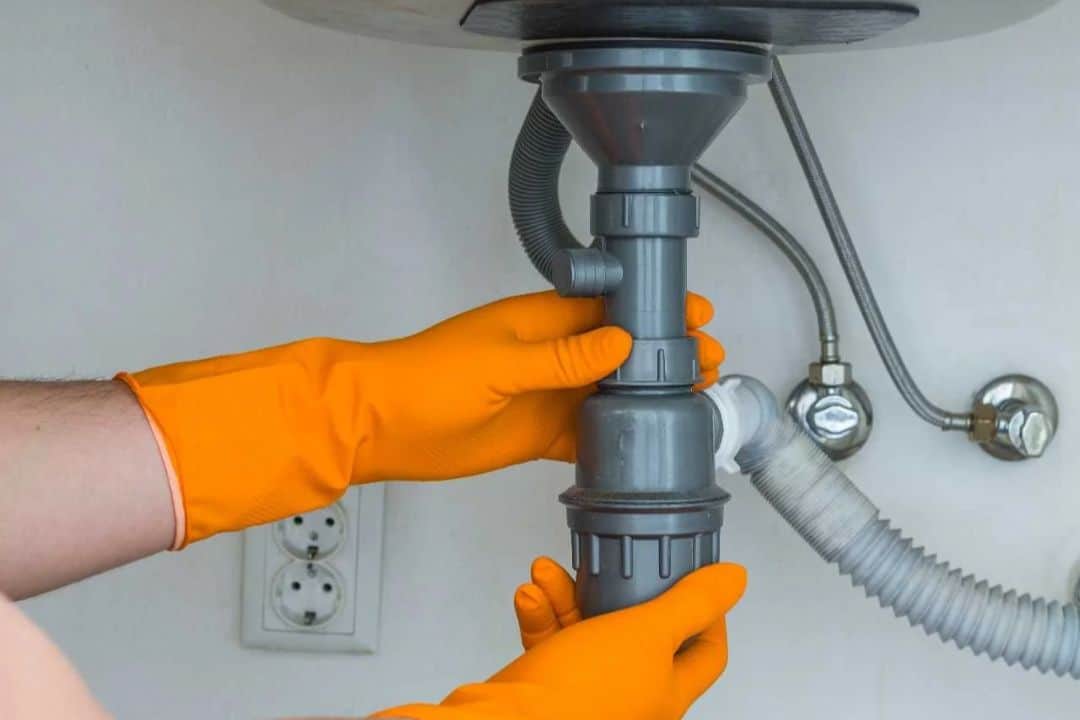
Key Reasons to Choose PVC for Soil and Waste Systems
Durability and Chemical Resistance
Soil and waste systems are exposed to domestic wastewater containing detergents, cleaning agents and organic substances. PVC offers high resistance to these environments and does not corrode, rust or degrade over time.
This chemical stability ensures reliable long-term performance in internal building installations.
Hydraulic Performance and Flow Stability
PVC pipes have a smooth internal surface that maintains low friction flow conditions.
This helps reduce sediment accumulation and supports stable drainage performance throughout the service life of the system.
Dimensional Stability and System Fit
PVC soil and waste systems are manufactured with tight tolerances to ensure reliable jointing and alignment. Dimensional stability supports secure connections between pipes, fittings and traps.
PVC maintains predictable mechanical behaviour under normal service temperatures found in building drainage systems. Controlled thermal expansion and stable geometry help preserve joint integrity and system performance over time.
Fire Performance in Building Applications
Fire behaviour is an important consideration for internal pipe systems. PVC has a high limiting oxygen index and is inherently difficult to ignite. It is self-extinguishing and does not support sustained flame spread once the ignition source is removed.
These characteristics support compliance with European building regulations for soil and waste systems.
Acoustic Performance in Buildings
Drainage noise is an important consideration in multi-storey buildings. The discharge of wastewater through vertical stacks can generate airborne and structure-borne sound.
PVC soil and waste systems can be designed to support good acoustic performance. Material density, pipe design and correct installation all contribute to reducing noise transmission.
Where enhanced acoustic comfort is required, specialised PVC systems are available to meet defined building standards.
Circularity
PVC soil and waste pipes and fittings are mechanically recyclable at the end of their service life. The material can be reprocessed and used in new construction products, supporting resource efficiency in the building sector.
Within the VinylPlus framework, the European PVC industry works to improve collection, recycling and traceability of PVC materials. Since 2000, around 900,000 tonnes of PVC pipes have been recycled.
In multilayer pipe systems, recycled PVC can be used in the intermediate layer, encapsulated by virgin material to ensure performance and compliance.
Within the European Union, the use of recycled PVC in construction products is regulated under REACH, with defined conditions for legacy additives. This framework enables circular material use while maintaining high safety and environmental standards.